






Israel Attacks Iran After Blasts in Tehran
The Middle East has once again found itself in the midst of a war, as reports of several large explosions in Tehran, the capital of Iran, are making headlines. Israel has taken responsibility for the...

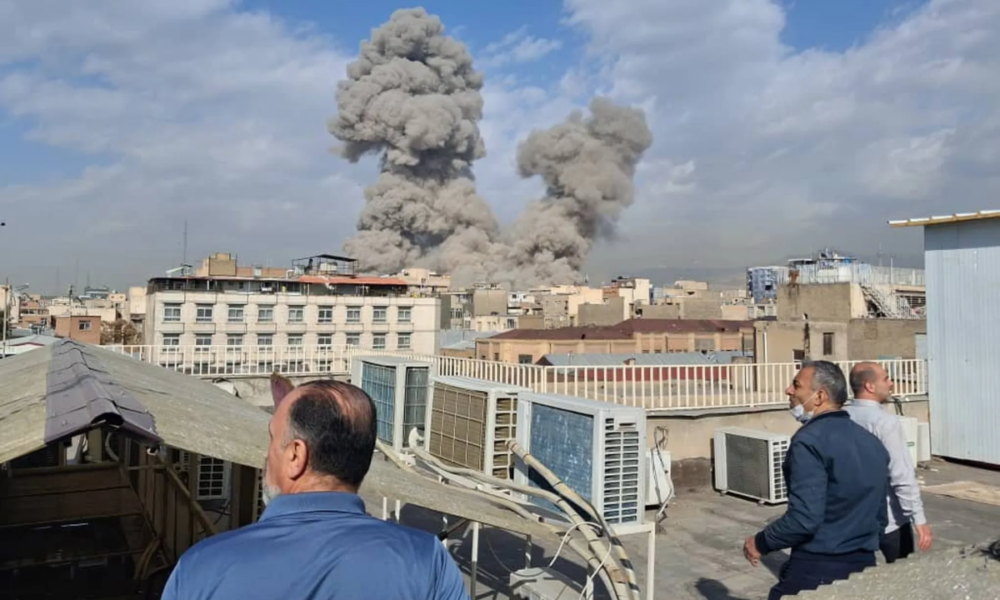
The Middle East has once again found itself in the midst of a war, as reports of several large explosions in Tehran, the capital of Iran, are making headlines. Israel has taken responsibility for the attack, confirming that its military was carrying out “precise strikes” against Iranian targets. This Israel Iran attack news marks a significant escalation in the long-running shadow war between the two nations, bringing their conflict into a direct and dangerous phase.
Table Of Content
What Happened in Tehran?
In the early hours of the morning of February 28, residents of Tehran reported hearing multiple loud thuds and explosions echoing across the city. According to local witnesses, the blasts appeared to come from the outskirts of the capital, where several military and industrial sites are located. (Israel Attacks Iran After Blasts in Tehran)
The Tehran blasts latest updates from Iranian state media suggested that the country’s air defense systems were activated to intercept incoming projectiles. While the government in Tehran initially tried to downplay the scale of the attack, social media footage showed bright flashes in the sky and smoke rising from various locations. The primary areas affected were reportedly military bases and drone production facilities, though specific damage assessments are still being verified.
The Background of the Conflict
To understand the why behind this Israel Iran attack news, it is important to look at the events leading up to it. For years, Israel and Iran have fought through proxies – groups like Hezbollah in Lebanon and Hamas in Gaza. However, in recent months, the two countries have begun attacking each other directly.
This specific strike is widely seen as a retaliation for a massive missile barrage launched by Iran toward Israel earlier in the year. Since then, the world has been waiting to see how Israel would respond. These latest blasts in Tehran represent the answer to that question, showing that Israel is willing to strike deep inside Iranian territory to protect its interests.
Iran’s Reaction and Domestic Impact
The reaction from Iran has been a mix of defiance and caution. Official statements from the Iranian Revolutionary Guard Corps (IRGC) claimed that the limited strikes caused only minor damage and that their defense systems successfully blocked many of the incoming missiles.
Despite these claims, the atmosphere in Tehran remains tense. Flights were temporarily canceled at the main international airport, and many citizens rushed to gas stations or stayed indoors, fearing a follow-up attack. Iranian leaders have vowed to respond to the aggression at a time and place of their choosing, though many analysts believe Iran may try to avoid further escalation to prevent a larger conflict with the United States.
International Concerns and the Risk of War
The international community has reacted with deep concern to the Israel Iran attack news. The United Nations and several world leaders have called for immediate restraint from both sides. The United States, while supporting Israel’s right to defend itself, has also been working behind the scenes to ensure the situation does not spiral out of control.
Regional neighbors, including Saudi Arabia, Jordan, and the UAE, are on high alert. There is a widespread fear that a miscalculation by either side could lead to a massive war that would disrupt global oil supplies and cause immense humanitarian suffering.
Related Blogs:

No Comment! Be the first one.